
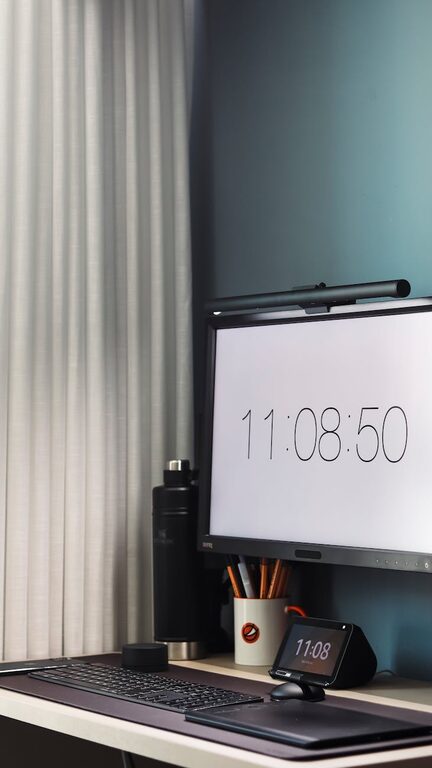
Working from home has become a part of daily life for many, and having a clean, clutter-free home office can make a huge difference to your productivity and overall well-being. A tidy workspace helps reduce distractions and makes it easier to focus on your tasks. However, organising a home office might feel overwhelming if you don’t know where to start.
This guide will share simple tips to help you create an organised, clutter-free home office space that works for you.
Why Organising Your Home Office Matters
Before diving into the tips, it’s helpful to understand why organising your home office is important:
– Improves focus: A tidy space can minimise distractions and help your brain concentrate.
– Boosts productivity: Easily find what you need to keep your workflow smooth.
– Reduces stress: Clutter can feel overwhelming. Organising your space creates a calmer environment.
– Makes cleaning easier: When everything is in its place, cleaning and maintenance are quicker.
Step 1: Assess Your Current Workspace
Start by taking a good look at your existing office space.
– What items do you use daily?
– Which things are rarely or never used?
– Is there any unnecessary furniture or equipment?
– Are there any areas where clutter tends to build up?
Knowing what works and what doesn’t put you in a great position to begin organising.
Step 2: Declutter and Sort
Decluttering is key to a clutter-free home office.
Tips for Effective Decluttering
– Empty your desk and drawers: Remove everything to see what you really have.
– Sort into categories: Keep, donate, recycle, or throw away.
– Be honest: If you haven’t used something in over six months, consider letting it go.
– Limit paper piles: Digitise documents where possible to reduce paper clutter.
Step 3: Smart Storage Solutions
Once you have decluttered, think about smart storage to keep things organised.
Storage Ideas for a Neat Office
– Drawer organisers: Perfect for pens, chargers, cables, and small essentials.
– Shelves and cabinets: Keep books, files, and equipment tidy and off your desk.
– Filing boxes or folders: Use labelled folders, either physical or digital, to manage paperwork efficiently.
– Storage boxes or baskets: Great for loose items you want to keep accessible but out of sight.
– Cable management: Use clips, ties, or cable sleeves to prevent tangled wires.
Step 4: Optimise Your Desk Setup
Your desk is the main focus of your home office, so organising this area is crucial.
Desk Organisation Tips
– Limit desktop items: Only keep daily-use items on your desk.
– Use vertical space: Add wall-mounted shelves or organisers to free up desk surface.
– Organise your tech: Keep your computer, keyboard, mouse, and other devices tidy and within easy reach.
– Personal touches: Add a plant or photo for a welcoming atmosphere – but keep it minimal to avoid clutter.
Step 5: Create a Daily Routine to Maintain Order
Keeping your home office clutter-free is an ongoing process.
Tips for Maintaining Organisation
– Tidy at the end of each day: Spend 5–10 minutes putting things back in place.
– Handle mail immediately: Sort letters and documents as soon as they arrive.
– Regularly review your space: Monthly check-ins help keep clutter under control.
– Set visible reminders: Use sticky notes or a checklist to encourage good habits.
Step 6: Make It Functional and Comfortable
Organising isn’t just about tidiness, but also about creating a space that supports your work style.
– Ergonomic chair and desk: Comfort reduces strain and improves focus.
– Good lighting: Natural light is best, but use adjustable lamps for evenings.
– Noise control: If possible, separate your office from noisy areas or use noise-cancelling headphones.
– Personalised zones: Consider designating areas for different tasks (computer work, reading, brainstorming).
Bonus Tip: Use Technology to Your Advantage
Reduce physical clutter with digital organisation:
– Scan important documents instead of storing paper copies.
– Use apps to manage tasks, notes, and calendars.
– Backup files regularly in cloud storage to keep information safe and easily accessible.
Final Thoughts
Organising a clutter-free home office doesn’t have to be complicated or time-consuming. Start small, make steady changes, and adapt your space to fit your needs. The effort will pay off with a calm, efficient environment that helps you work better every day.
Remember, the key to a clutter-free office is not just tidying up once, but building habits that maintain order in the long term. Happy organising!