
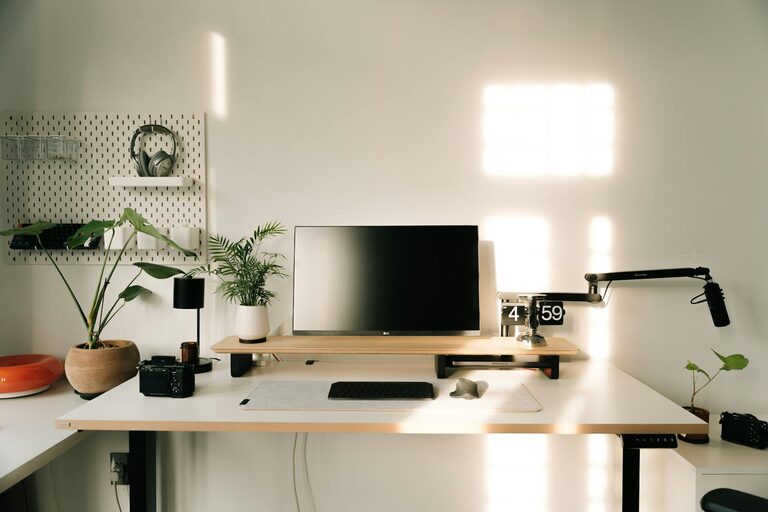
Creating a minimalist home office space is a fantastic way to foster focus and productivity while maintaining a calm and inviting atmosphere. A clutter-free environment allows your mind to concentrate on tasks without distractions, making it easier to complete work efficiently. Whether you work from home full-time or just occasionally, designing a minimalist workspace can transform your approach to daily tasks.
In this blog post, we’ll explore practical tips to help you establish a minimalist home office that is both functional and aesthetically pleasing.
Why Choose a Minimalist Home Office?
Minimalism is about simplicity and reducing unnecessary items to focus on what truly matters. In a home office context, this means creating a space without clutter or excess furniture, one that promotes clear thinking and effective work habits.
Benefits include:
– Reduced distractions
– More efficient use of space
– Easier maintenance and cleaning
– A calm and welcoming atmosphere
Step 1: Declutter and Prioritise Essentials
Before you introduce new furniture or decor, clear out everything you don’t need. Sort your items into categories: keep, store elsewhere, or discard.
– Keep only essential equipment like your computer, notebook, or a few pens.
– Remove non-work-related items that tend to distract you.
– Consider digitalising paperwork to minimise physical clutter.
This process not only frees up space but also helps define what truly belongs in your workspace.
Step 2: Choose Functional and Simple Furniture
Minimalist design calls for clean lines and practical pieces.
– Opt for a sturdy desk with a clean surface and no complicated features.
– Select an ergonomic chair that supports good posture without bulky styling.
– Consider furniture with built-in storage to keep supplies out of sight.
Avoid oversized or overly decorative furniture that might overwhelm your space.
Step 3: Use Neutral and Light Colours
Colour plays a significant role in how productive and calm you feel.
– Stick to neutral shades like white, beige, or soft grey, which make a room feel brighter and more spacious.
– Add subtle accent colours like navy, forest green, or muted pastels if desired for a touch of personality but keep these minimal.
Light colours reflect natural light better and reduce eye strain, contributing to a pleasant working environment.
Step 4: Maximise Natural Light and Consider Lighting Options
Natural light is beneficial for concentration and mood.
– Position your desk near a window when possible to take advantage of sunlight.
– Use light, sheer curtains rather than heavy drapes to maintain brightness without glare.
– Add a minimalist desk lamp with adjustable brightness to ensure adequate lighting during darker hours.
Combining natural and artificial light carefully is key for a productive home office.
Step 5: Use Clever Storage Solutions
To keep the workspace clear and clutter-free, smart storage is essential.
– Use wall-mounted shelves to save surface space and display only necessary items.
– Drawers and storage boxes can help organise stationery, cables, and documents neatly.
– Keep cables tidy with clips or under-desk organisers.
By keeping everything organised, you reduce stress and improve workflow.
Step 6: Personalise with Purpose
Minimalism doesn’t mean impersonal.
– Choose a few meaningful items like a plant, a framed photo, or a piece of artwork to create a welcoming feel.
– Ensure these accents are simple and don’t clutter the desk or walls.
A personal touch can lift your mood and motivation while maintaining a minimalist aesthetic.
Step 7: Maintain the Space Regularly
A minimalist home office requires ongoing upkeep to stay effective.
– Spend a few minutes each day tidying your desk and filing away papers.
– Reassess your belongings periodically and remove anything that no longer serves your work.
Routine maintenance prevents clutter from accumulating and ensures your workspace remains inviting.
Additional Tips for Enhanced Productivity
– Limit distractions: Keep your phone on silent or in another room during deep work sessions.
– Use plants: Adding greenery improves air quality and has calming effects.
– Incorporate a whiteboard or notepad: Helps organise tasks visually without cluttering your desk.
– Set boundaries: Create specific ‘work only’ zones to switch your working mindset on and off easily.
Conclusion
A minimalist home office space is more than just an aesthetic choice—it’s a practical way to boost your productivity and well-being. By decluttering, selecting simple furniture, optimising light, and keeping personal touches purposeful, you can create a workspace that supports focus and efficiency.
Start with small changes today, and see how your minimalist office transforms not only your environment but also the way you work. Remember, the goal is clarity, simplicity, and functionality—everything you need to get your best work done comfortably at home.