
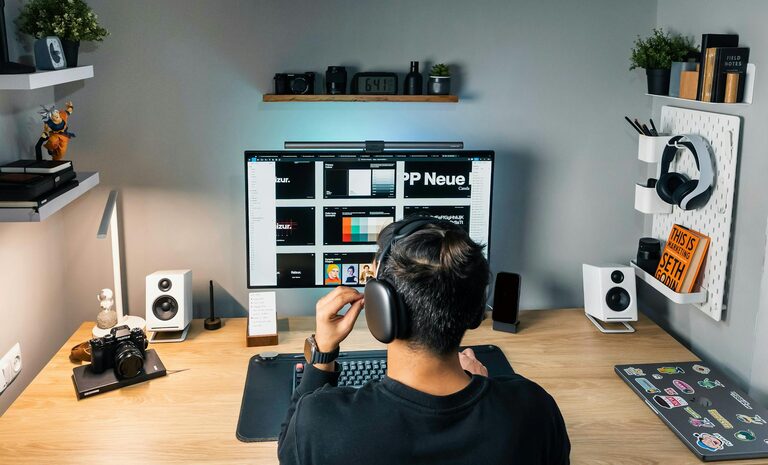
Creating a productive home office environment is essential in today’s world, where many of us spend significant time working remotely. A well-organised and comfortable workspace helps sustain focus, reduce stress, and improve overall work performance. Whether you are new to working from home or looking to enhance your current setup, these practical tips will guide you in creating an environment that supports productivity and well-being.
Choose the Right Location
Quiet and Free from Distractions
Select a spot in your home that is quiet and minimally affected by household noise. Avoid high-traffic areas like the kitchen or living room if possible, as regular interruptions can break concentration.
Natural Light and Ventilation
Aim to work near a window that lets in natural light. Sunlight boosts mood and alertness. Also, ensure your chosen area has good airflow to prevent stuffiness, which can make you feel lethargic.
Dedicated Workspace
Try to dedicate a specific area solely for work, even if it’s a small corner. This helps your brain associate the space with productivity and focus, making it easier to get into work mode.
Invest in Comfortable and Functional Furniture
Ergonomic Chair
Comfort is vital since you will spend hours sitting. An ergonomic chair supports good posture and reduces back and neck pain.
Suitable Desk
Choose a desk that fits your space and needs. It should be large enough to hold your computer, documents, and accessories, without feeling cluttered.
Adjustable Setup
If possible, consider equipment that allows you to switch between sitting and standing, such as a height-adjustable desk or sit-stand converter, to encourage movement during the day.
Organise Your Workspace Efficiently
Tidy Desk Policy
Keep your desk clean and organised. Remove unnecessary items to reduce distractions and give yourself room to work comfortably.
Storage Solutions
Invest in organisers, drawers, or shelves to store documents, stationery, and other essentials neatly. This makes it easier to find what you need quickly.
Cable Management
Use cable clips or sleeves to keep wires tidy. A messy tangle of cables can clutter your space and cause frustration.
Use Technology Wisely
Reliable Internet Connection
A fast, stable internet connection is crucial for uninterrupted work, particularly for video calls or large file transfers.
Proper Equipment
Ensure your computer, keyboard, mouse, and other devices are suitable for your work type. If necessary, invest in a larger monitor or quality headphones.
Backup and Security
Protect your files with regular backups and use antivirus software. Working from home shouldn’t compromise your data security.
Create a Work Routine
Set Working Hours
Establish regular working hours to provide structure. Starting and finishing at consistent times helps maintain work-life balance.
Take Regular Breaks
Short breaks every hour refresh the mind and prevent burnout. Use techniques like the Pomodoro method (25 minutes work, 5 minutes break) if it suits you.
Plan Your Day
Use a to-do list or planner to organise tasks by priority. This keeps you focused and makes goals more achievable.
Personalise Your Space
Add Greenery
Plants improve air quality and create a calming atmosphere. Even a small potted plant can make the space feel more inviting.
Use Colours Wisely
Choose colours that inspire you or make you feel calm. Soft blues and greens are popular for creating a peaceful environment.
Incorporate Inspiration
Include photos, artwork, or quotes that motivate you, but avoid overloading your space with distractions.
Manage Noise and Sound
Noise-Cancelling Headphones
If noise is an issue, invest in noise-cancelling headphones to help you focus or listen to calming background music.
White Noise Machines or Apps
Using white noise can mask disruptive sounds, making it easier to concentrate.
Maintain Work-Life Balance
Separate Work and Relaxation Areas
Avoid doing work in your bedroom or on the sofa to help your mind unwind after working hours.
End-of-Day Ritual
Create a routine to signal the end of the workday, like tidying your desk or going for a short walk.
—
By combining these tips, you can create a home office environment that encourages productivity, reduces stress, and supports your well-being. The key is to find what works best for you, adapting your workspace to fit your specific needs and preferences. A comfortable, organised, and inspiring workspace can make all the difference to your work-from-home experience.