
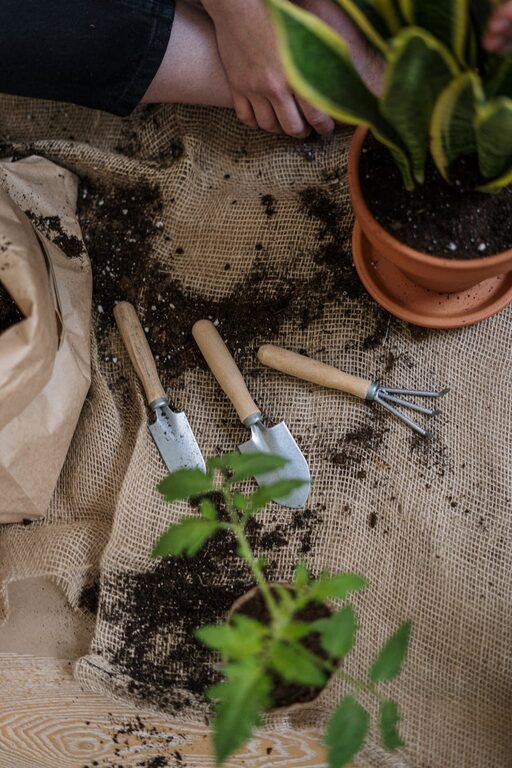
Creating an eco-friendly garden is a rewarding way to contribute positively to the environment while enjoying a beautiful outdoor space. By making thoughtful choices, you can cultivate a garden that conserves water, supports local wildlife, reduces waste, and promotes biodiversity. Whether you have a large backyard or a small patio, these practical tips will help you design a greener garden at home.
Why Choose an Eco-Friendly Garden?
An eco-friendly garden benefits both you and the planet. It reduces your carbon footprint, attracts beneficial insects and birds, and ensures your garden flourishes in harmony with nature. It can also save you money on water and energy bills and reduce the use of harmful chemicals.
Planning Your Sustainable Garden
Begin your eco-friendly gardening journey by planning carefully. Consider the natural conditions of your space, such as soil type, sunlight, and local climate. Planning will help you select the right plants and techniques for a thriving, low-impact garden.
Assess Your Garden Space
– Observe how sunlight moves across your garden during the day.
– Check soil drainage and texture.
– Identify areas where water tends to collect or run off.
– Note existing plants and wildlife visiting your garden.
Choose Native and Pollinator-Friendly Plants
Native plants are adapted to your region and require less water and fertiliser. They also provide food and shelter for local wildlife such as bees, butterflies, and birds.
– Research native species suitable for your area.
– Include a mix of flowers, shrubs, and trees for varied habitats.
– Opt for plants that bloom at different times to provide a continuous food source.
Water Conservation Techniques
Water is a precious resource, especially in summer months. Eco-friendly gardens use water wisely and avoid waste.
Collect Rainwater
Install rain barrels to capture runoff from gutters. This water can be used to irrigate plants during dry periods.
Use Drip Irrigation and Mulch
– Drip irrigation delivers water directly to plant roots, reducing evaporation.
– Mulching around plants helps retain soil moisture, suppresses weeds, and enriches the soil as it decomposes.
Water in the Early Morning or Evening
Watering during cooler parts of the day reduces evaporation and allows plants to absorb moisture more effectively.
Reduce Chemical Use
Avoid synthetic pesticides and fertilisers that can harm beneficial insects and contaminate soil and water.
Opt for Organic Alternatives
– Use compost or well-rotted manure to enrich soil naturally.
– Encourage beneficial insects like ladybirds to control pests.
– Apply natural solutions such as neem oil or insecticidal soap when needed.
Compost and Waste Reduction
Composting garden waste and kitchen scraps reduces landfill waste and provides nutrient-rich material for your plants.
Start a Compost Bin
– Collect vegetable peelings, grass clippings, leaves, and coffee grounds.
– Avoid adding meat, dairy, or diseased plants.
– Turn the compost regularly to speed up decomposition.
Reuse and Recycle
– Repurpose old containers as plant pots.
– Use fallen branches as mulch or habitat piles for wildlife.
Support Wildlife and Biodiversity
Creating habitats helps urban wildlife flourish. A wildlife-friendly garden offers food, water, shelter, and nesting sites.
Provide Food Sources
– Grow nectar-rich plants for pollinators.
– Plant berry-producing shrubs for birds.
– Leave some seed heads on flowers in winter.
Offer Water and Shelter
– Place shallow dishes of water for birds and insects.
– Build a bug hotel or leave dead wood and leaf piles to provide homes.
Sustainable Garden Maintenance
Maintain your eco-friendly garden with simple, sustainable practices.
– Avoid over-pruning to allow natural growth.
– Check plants regularly for pests rather than routinely spraying chemicals.
– Choose hand tools or manual equipment to reduce energy use.
Final Thoughts
Creating an eco-friendly garden is an ongoing process that adapts with the seasons and your growing knowledge. Each small step makes a difference, helping you build a natural sanctuary in your home environment. With patience and creativity, your garden can become a place of beauty that supports the planet and delights you throughout the year. Happy gardening!